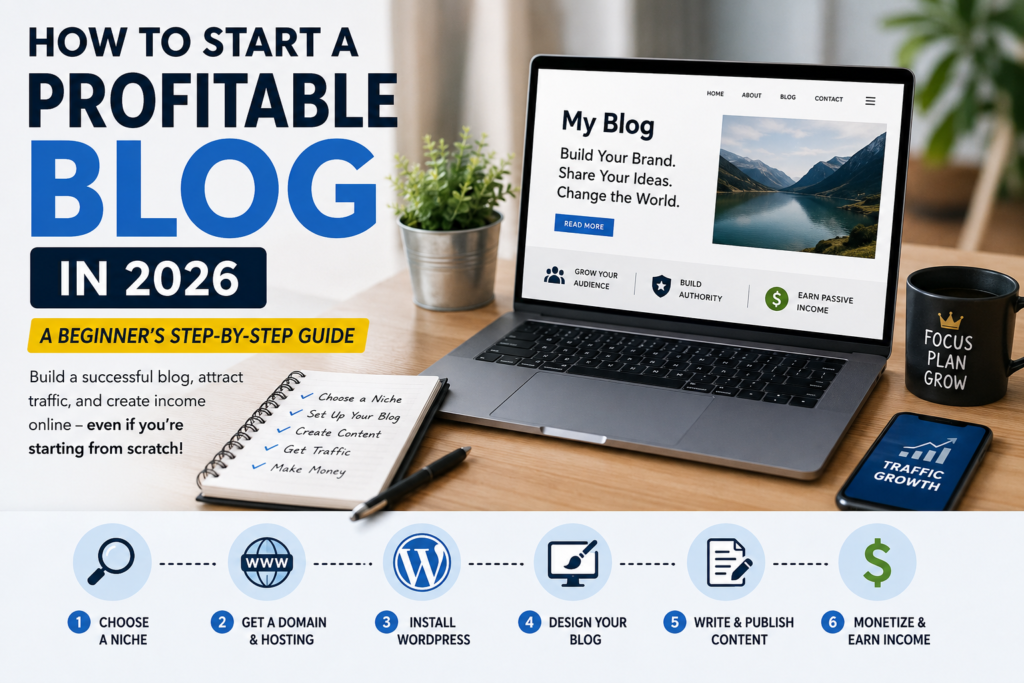
How to Start a Profitable Blog in 2026: A Beginner’s Step-by-Step Guide
Meta Description
Learn how to start a profitable blog in 2026 with this complete beginner’s guide. Discover how to choose a niche, set up WordPress, create content that ranks, and build a blog that earns passive income.
How to Start a Profitable Blog in 2026: A Beginner’s Step-by-Step Guide
Starting a blog in 2026 is one of the smartest ways to build an online business, create multiple income streams, and establish yourself as an authority in a topic you enjoy. While social media platforms constantly change their algorithms, a blog is a digital asset that you own. Every article you publish has the potential to attract visitors from Google for months—or even years.
Many beginners assume blogging is no longer profitable because of AI tools and increasing competition. In reality, AI has made blogging more accessible than ever. It helps you research topics, brainstorm ideas, improve writing, and save time. What still matters most is creating genuinely helpful content that answers readers’ questions better than anyone else.
Whether your goal is to earn from Google AdSense, affiliate marketing, digital products, sponsored posts, or selling services, success begins with building your blog on the right foundation.
In this step-by-step guide, you’ll learn exactly how to start a profitable blog in 2026, even if you’ve never built a website before.
—
Table of Contents
1. Why Blogging Is Still Profitable in 2026
2. Step 1: Choose a Profitable Blog Niche
3. Step 2: Pick the Perfect Domain Name
4. Step 3: Buy Reliable Hosting
5. Step 4: Install WordPress and Set Up Your Blog
6. What You’ll Learn Next
—
Why Blogging Is Still Profitable in 2026
Despite the rise of AI and social media, blogging continues to generate billions of dollars every year through advertising, affiliate marketing, online courses, memberships, and digital products.
Here’s why blogging remains one of the best online businesses:
– Low startup costs compared to traditional businesses.
– You own your website and content.
– Google sends free traffic every day.
– Articles can generate income for years.
– AI tools help you create content faster.
– You can work from anywhere.
– There is no limit to how much your blog can grow.
Imagine publishing one helpful article every week. By the end of the year, you’ll have over 50 articles working for you around the clock. Each one can attract readers, build trust, and generate income without requiring daily attention.
The earlier you start, the sooner your content begins gaining authority in search engines.
—
Step 1: Choose a Profitable Blog Niche
One of the biggest mistakes new bloggers make is writing about everything.
Successful blogs focus on a clear niche—a specific topic that solves problems for a particular audience.
Instead of trying to reach everyone, become the go-to resource for one area.
Examples of Profitable Niches in 2026
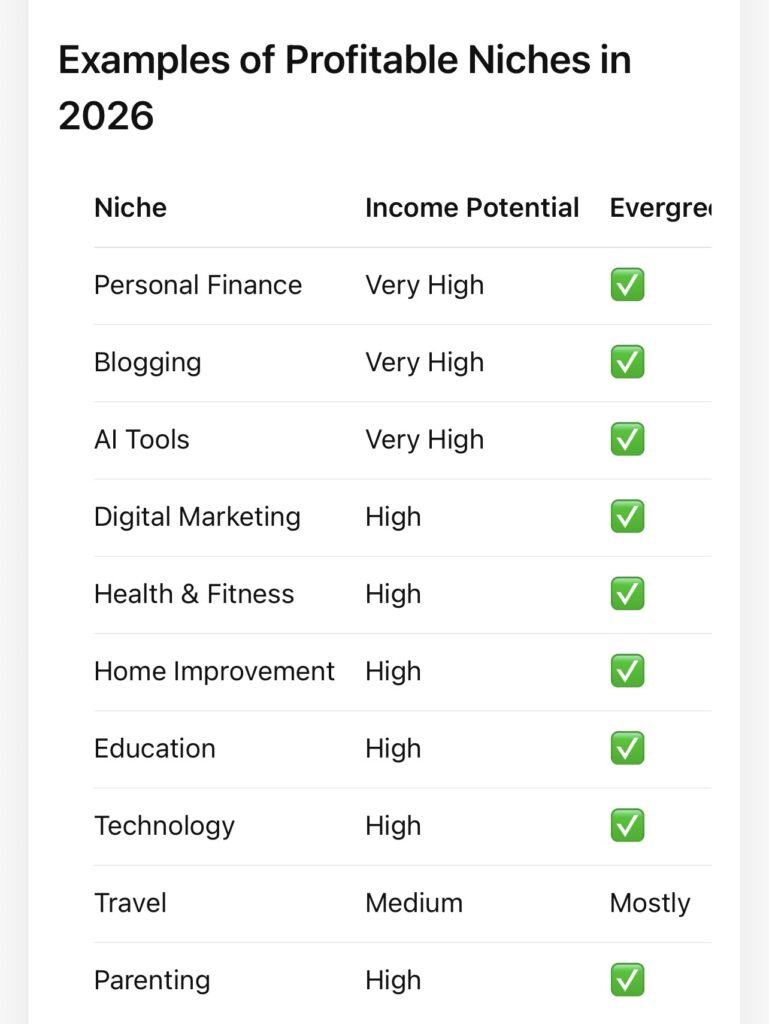
For example, instead of creating a general technology blog, you could focus specifically on:
– AI tools for beginners
– Blogging with AI
– Making money online
– Small business software
– Freelancing
– Digital entrepreneurship
The more focused your niche is, the easier it becomes to build authority and attract loyal readers.
### Ask Yourself These Questions
Before choosing a niche, ask:
– Can I write about this for the next three years?
– Are people searching for this topic every month?
– Can I make money from this niche?
– Are there affiliate products available?
– Do businesses advertise in this industry?
If the answer is yes to most of these questions, you’ve found a strong niche.
—
Step 2: Choose the Perfect Domain Name
Your domain name is your online identity.
It should be:
– Easy to remember
– Easy to spell
– Short
– Brandable
– Relevant to your niche
### Good Examples
– SmartMoneyGuide.com
– BlogGrowthLab.com
– TrendWave.cloud
– FutureCreatorHub.com
Avoid
– Long names
– Numbers
– Hyphens
– Difficult spellings
– Trendy slang that may become outdated
A memorable domain builds trust and makes it easier for readers to return to your website.
—
Step 3: Buy Reliable Hosting
Your hosting company stores all of your website’s files and makes your blog available to visitors worldwide.
Cheap hosting may seem attractive at first, but slow loading speeds and frequent downtime can hurt your rankings and frustrate readers.
When choosing hosting, look for:
– Fast loading speeds
– Excellent uptime
– Free SSL certificate
– One-click WordPress installation
– Daily backups
– Helpful customer support
Reliable hosting gives your blog a strong technical foundation, helping it perform well as your traffic grows.
—
Step 4: Install WordPress and Set Up Your Blog
If you’re serious about building a profitable blog, WordPress is the platform most professional bloggers choose.
It offers:
– Full ownership of your website
– Thousands of themes
– Powerful plugins
– Excellent SEO capabilities
– Unlimited customization
– Easy content management
After installing WordPress, complete these essential setup tasks:
Choose a Fast Theme
A lightweight theme helps your website load quickly and improves user experience.
Look for themes that are:
– Mobile responsive
– SEO-friendly
– Regularly updated
– Easy to customize
Create a Professional Logo
Your logo doesn’t need to be expensive.
Keep it:
– Clean
– Simple
– Easy to recognize
– Consistent with your brand colors
Set Up Basic Website Settings
Before publishing your first article:
– Change your permalink structure to use post names.
– Set your website title and tagline.
– Configure your time zone.
– Upload your site icon (favicon).
– Enable HTTPS using your SSL certificate.
These small steps improve both usability and search engine optimization.
Organize Your Categories
Create a few main categories instead of dozens.
For example, if your blog focuses on blogging and making money online, your categories might include:
– Blogging
– Make Money Online
– AI Tools
– WordPress
– SEO
– Digital Marketing
Keeping categories organized makes your website easier to navigate for readers and search engines alike.
—
# Step 5: Create the Essential Pages Every Blog Needs
Before publishing dozens of articles, make sure your blog looks trustworthy. Both visitors and search engines expect certain pages to be available.
## About Page
Your About page tells readers who you are, what your blog is about, and how you can help them. Instead of simply talking about yourself, focus on the value readers will get by following your content.
A good About page should include:
– Your blog’s mission.
– Who the blog is for.
– What topics you cover.
– Why readers should trust your advice.
– A friendly call-to-action encouraging visitors to explore your articles.
## Contact Page
Make it easy for readers, brands, and potential partners to reach you.
Include:
– A contact form.
– Your business email.
– Links to your social media profiles (if applicable).
## Privacy Policy
A Privacy Policy explains how your website collects and uses visitor data. It’s essential if you use Google AdSense, Google Analytics, affiliate links, or collect email addresses.
## Disclaimer
If you recommend products or use affiliate links, include a disclaimer explaining that you may earn a commission at no extra cost to readers.
## Terms and Conditions
This page outlines the rules for using your website and helps protect both you and your visitors.
These pages not only build trust with readers but also help your blog meet the requirements of advertising networks and affiliate programs.
—
# Step 6: Install the Essential WordPress Plugins
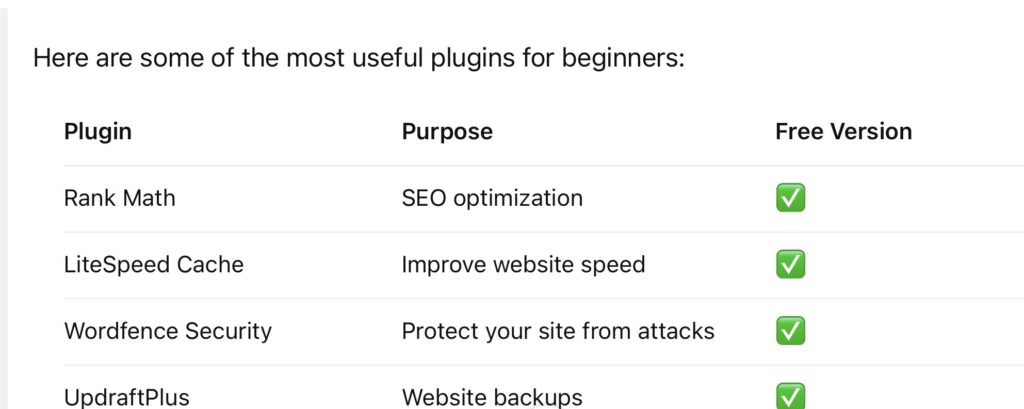
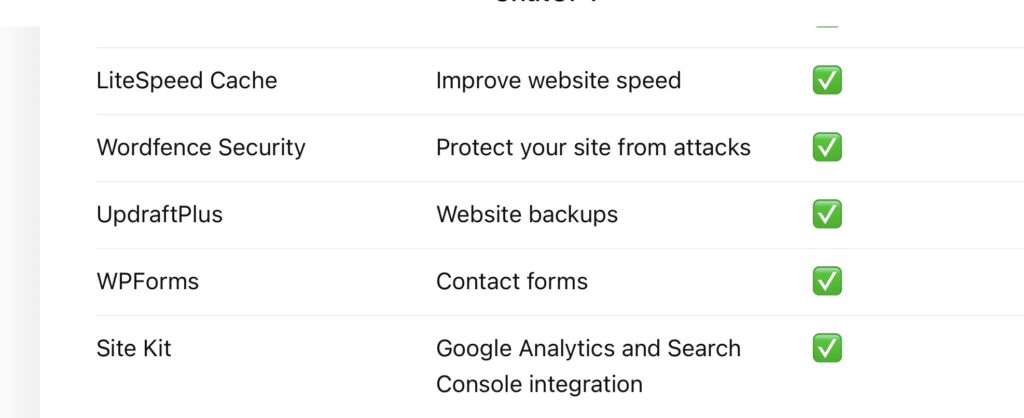
Plugins add powerful features to your website without requiring coding knowledge.
Here are some of the most useful plugins for beginners:
Avoid installing too many plugins. Every additional plugin can affect your site’s performance if it’s poorly coded or unnecessary.
A good rule is to install only the plugins that solve a real problem.
—
# Step 7: Learn Basic Keyword Research
Publishing articles without keyword research is like opening a shop in the middle of a desert—you may have something valuable, but few people will find it.
Keyword research helps you discover exactly what your audience is searching for.
For example:
Instead of writing:
“Blog Tips”
Write:
“How to Start a Profitable Blog in 2026”
The second topic is much more specific and closely matches what beginners are likely to type into Google.
## Where to Find Keyword Ideas
Some excellent tools include:
– Google Search autocomplete.
– Google “People Also Ask.”
– Google Related Searches.
– Google Trends.
– Ahrefs Keyword Generator.
– Ubersuggest.
– Semrush.
When choosing keywords, look for:
– Good monthly search volume.
– Low to medium competition.
– Clear search intent.
– Evergreen value.
Targeting specific, helpful keywords makes it easier for new blogs to compete.
—
# Step 8: Write Blog Posts That Help People
Google’s goal is simple: show users the best answer to their question.
That means every article you publish should solve a problem.
A strong blog post usually includes:
– An engaging introduction.
– Clear headings.
– Short paragraphs.
– Practical advice.
– Examples.
– Images where appropriate.
– A conclusion with actionable next steps.
Always write for humans first and search engines second.
### Focus on Quality Over Quantity
Publishing one excellent article each week is often more effective than publishing seven rushed posts.
High-quality articles are:
– Easier to rank.
– More likely to earn backlinks.
– More likely to be shared.
– More helpful to readers.
Over time, a library of valuable articles becomes one of your greatest assets.
—
# Step 9: Publish Consistently
Consistency is one of the biggest differences between successful bloggers and those who quit after a few months.
Google also prefers websites that continue publishing fresh, relevant content.
A simple publishing schedule might look like this:
| Experience Level | Articles Per Week |
| Beginner | 2–3 |
| Intermediate | 3–5 |
| Advanced | 5–7 |
The key is choosing a schedule you can maintain over the long term.
Even two high-quality posts every week can lead to more than 100 articles in a year.
Remember, blogging is a marathon—not a sprint.
—
# Step 10: Promote Every Blog Post
Writing a great article is only half the job. Promotion helps people discover it.
Here are effective ways to promote your content:
### Share on Social Media
Post your articles on platforms where your audience spends time, such as Facebook, Pinterest, LinkedIn, X, or Threads.
### Build an Email List
Encourage visitors to subscribe so you can notify them whenever you publish new content.
Email remains one of the highest-converting traffic sources because you own your list.
### Answer Questions Online
Help people on forums and communities by answering questions related to your niche. Where appropriate, link to a relevant article that provides more detail.
### Create Supporting Content
Turn your blog post into:
– Short videos.
– Infographics.
– Social media posts.
– Email newsletters.
– Checklists.
Repurposing content allows you to reach more people without starting from scratch each time.
—
# Blogging Platform Comparison
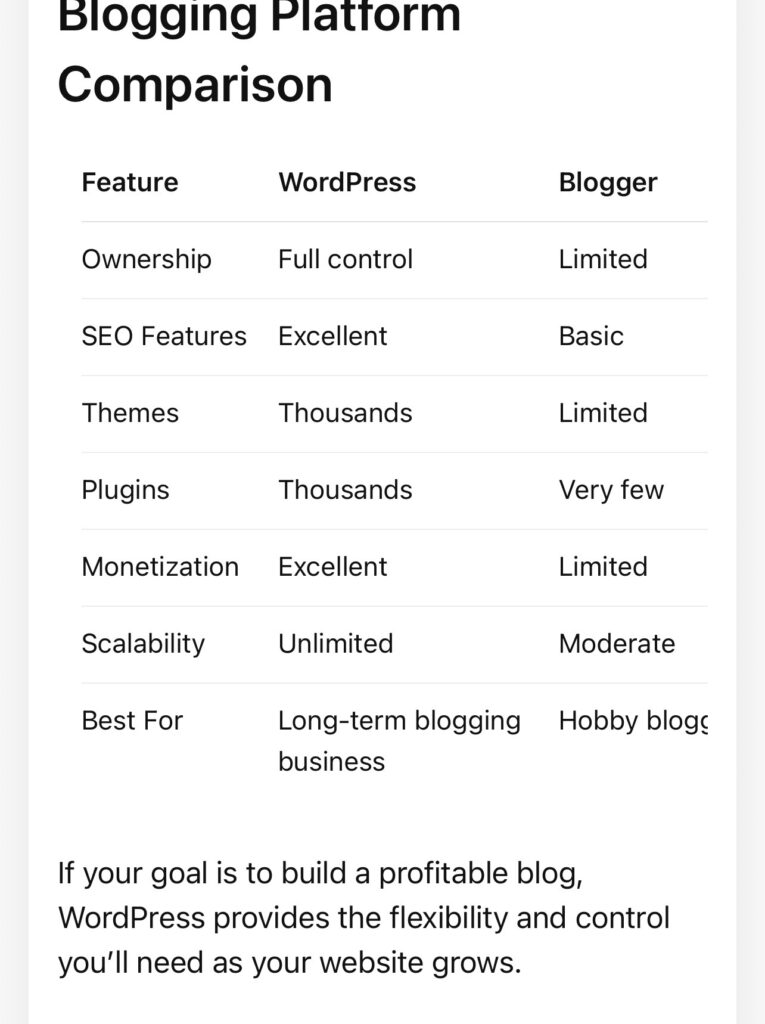
If your goal is to build a profitable blog, WordPress provides the flexibility and control you’ll need as your website grows.
—
# Real-World Examples
## Example 1: The Personal Finance Blogger
A beginner starts a blog focused on budgeting, saving money, and investing for young professionals. By consistently publishing helpful articles and recommending trusted financial tools through affiliate links, the blog gradually grows into a reliable source of passive income.
## Example 2: The AI Blogger
Another creator focuses on reviewing AI tools, sharing tutorials, and comparing software. As businesses and freelancers search for productivity solutions, the blog attracts targeted traffic and earns through display ads and software affiliate programs.
## Example 3: The Blogging Educator
A blogger teaches beginners how to build websites, improve SEO, and grow online businesses. Over time, they expand into selling templates, digital guides, and online courses while continuing to attract organic traffic from Google.
These examples show that profitable blogs come in many forms, but they all share one thing in common: they consistently publish valuable content that solves real problems.
# Step 11: How to Make Money From Your Blog in 2026
Once your blog starts attracting visitors, you can turn that traffic into income in several ways. The most successful bloggers don’t rely on just one source of revenue—they build multiple income streams.
## 1. Display Advertising
Display ads are one of the easiest ways for beginners to earn money.
Advertising networks place ads on your website, and you earn money when visitors view or click on them.
Popular advertising platforms include:
– Google AdSense
– Ezoic
– Mediavine (for established blogs)
– Raptive (for larger publishers)
Display ads work especially well if you consistently publish helpful, SEO-focused content that attracts organic traffic.
—
## 2. Affiliate Marketing
Affiliate marketing involves recommending products or services. If someone purchases through your unique referral link, you earn a commission at no additional cost to the buyer.
Examples include:
– Web hosting
– Email marketing software
– SEO tools
– AI writing tools
– Website themes and plugins
– Online courses
The key is to recommend products you’ve researched carefully and that genuinely help your audience.
—
## 3. Sell Digital Products
Digital products can provide high profit margins because they don’t require inventory or shipping.
Examples include:
– E-books
– Checklists
– Printable planners
– Templates
– Spreadsheets
– Online courses
– Premium guides
Once created, a digital product can be sold repeatedly with minimal ongoing costs.
—
## 4. Sponsored Content
As your audience grows, companies may pay you to feature their products or services in blog posts.
Always disclose sponsored content clearly and only partner with brands that align with your audience’s interests.
—
## 5. Offer Services
Your blog can also help you attract clients for services such as:
– Freelance writing
– SEO consulting
– Website design
– Graphic design
– Virtual assistance
– Business coaching
Many bloggers earn their first online income by offering services before expanding into passive income streams.
—
# Monetization Comparison Table
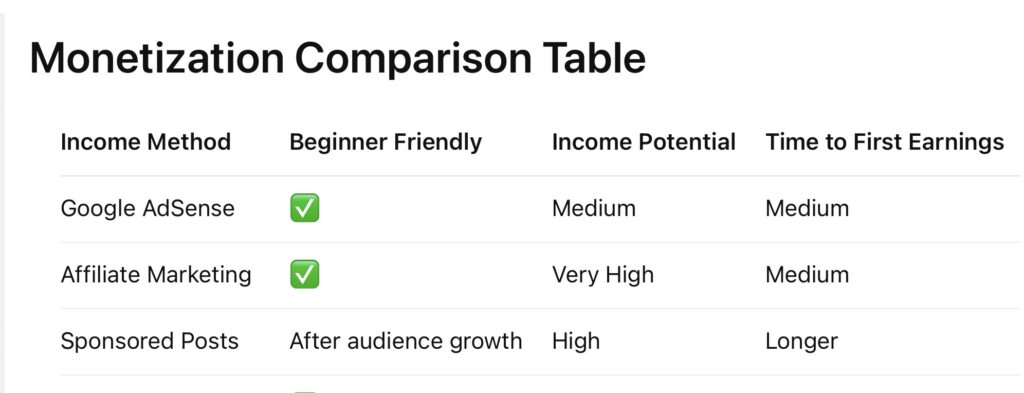
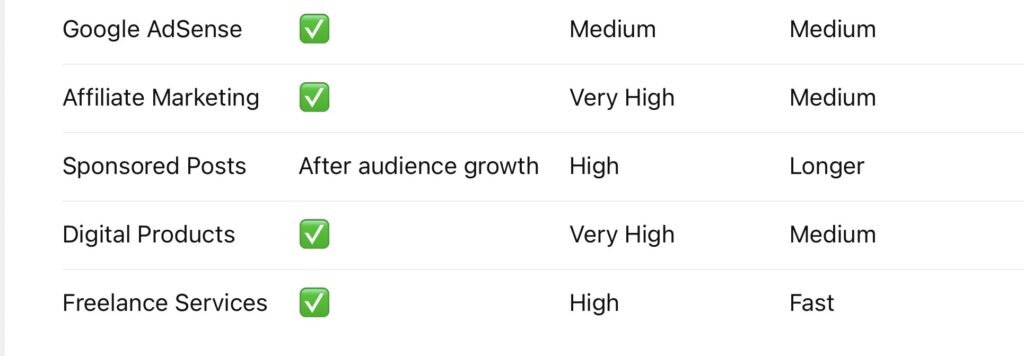
The most resilient blogging businesses combine several of these methods rather than depending on just one.
—
# Your 90-Day Blogging Action Plan
Starting a blog can feel overwhelming, but breaking it into manageable steps makes it much easier.
## Month 1
– Choose your niche.
– Register your domain name.
– Purchase hosting.
– Install WordPress.
– Set up essential pages.
– Install key plugins.
– Publish your first five high-quality articles.
## Month 2
– Publish two to three articles each week.
– Learn basic keyword research.
– Submit your sitemap to Google.
– Improve your website speed.
– Share your content on social media.
## Month 3
– Continue publishing consistently.
– Begin building an email list.
– Add affiliate links where appropriate.
– Apply for Google AdSense if your site is ready.
– Monitor your traffic and improve older articles.
Remember, blogging success comes from consistency rather than perfection.
—
# Frequently Asked Questions
## Is blogging still profitable in 2026?
Yes. Blogging remains profitable because businesses continue investing in online advertising, affiliate marketing, and digital content. High-quality articles that answer users’ questions can generate traffic and income for years.
—
## How much does it cost to start a blog?
Many beginners can start with a relatively small investment that covers a domain name and web hosting. As your blog grows, you may choose to invest in premium tools, themes, or courses.
—
## How long does it take to make money blogging?
It varies. Some bloggers earn their first income within a few months, while others take longer. Factors such as your niche, content quality, SEO strategy, and publishing consistency all play a role.
—
## Can I use AI to help write blog posts?
Yes. AI can help with brainstorming, outlining, proofreading, and improving productivity. However, always review, edit, fact-check, and add your own insights to ensure your content is accurate, original, and genuinely helpful.
—
## How many blog posts should I publish before applying for Google AdSense?
There’s no fixed number. Instead of focusing on quantity, aim for a collection of well-written, original, helpful articles along with essential pages such as your About, Contact, Privacy Policy, and Disclaimer. A well-structured site is more important than hitting a specific article count.
—
## Should beginners choose WordPress or Blogger?
If your goal is to build a long-term blogging business, WordPress generally offers greater flexibility, stronger SEO capabilities, and more opportunities for monetization.
—
# Final Thoughts
Starting a profitable blog in 2026 isn’t about chasing shortcuts or publishing hundreds of low-quality articles. It’s about creating a website that genuinely helps people.
Choose a niche you enjoy, publish valuable content consistently, learn the basics of SEO, and be patient. Every article you write becomes another opportunity for someone to discover your website through search engines.
Many successful bloggers started with no audience, no experience, and very little investment. What set them apart wasn’t luck—it was consistency, continuous learning, and a commitment to serving their readers.
Treat your blog like a real business from day one. Focus on solving problems, improving your writing, and building trust with your audience. Over time, your content can become a valuable digital asset that generates traffic, leads, and income for years to come.
The best time to start was yesterday. The next best time is today.
# What’s Next?
Now that you know how to build a profitable blog from scratch, the next step is choosing the right niche. Picking a niche with long-term demand and strong earning potential will make it much easier to grow your audience and monetize your content.
Continue with our complete guide: How to Choose a Profitable Blog Niche in 2026, where you’ll learn how to identify high-demand topics, validate your ideas, and avoid niches that are difficult to monetize.
Best Blogging Tools for Beginners (Free & Paid): The Ultimate 2026 Guide
15 Blogging Mistakes Beginners Should Avoid
Blogger vs WordPress: Which Is Better? (2026 Complete Comparison Guide)
How to Do Keyword Research for Beginners (2026 Guide)
